 English
 中文简体
中文简体 عربى
عربى
Lighting plays a key role in shaping the perception and mood of a room, and crystal elements such as Crystal Glass Pendant and Crystal Laser Ball can create interesting visual interactions. These items are not only decorative but also offer practical ways to redirect and diffuse light, producing reflections and patterns that enhance the atmosphere. Understanding how light interacts with crystal surfaces and how to position them strategically allows users to create engaging environments for different types of spaces.
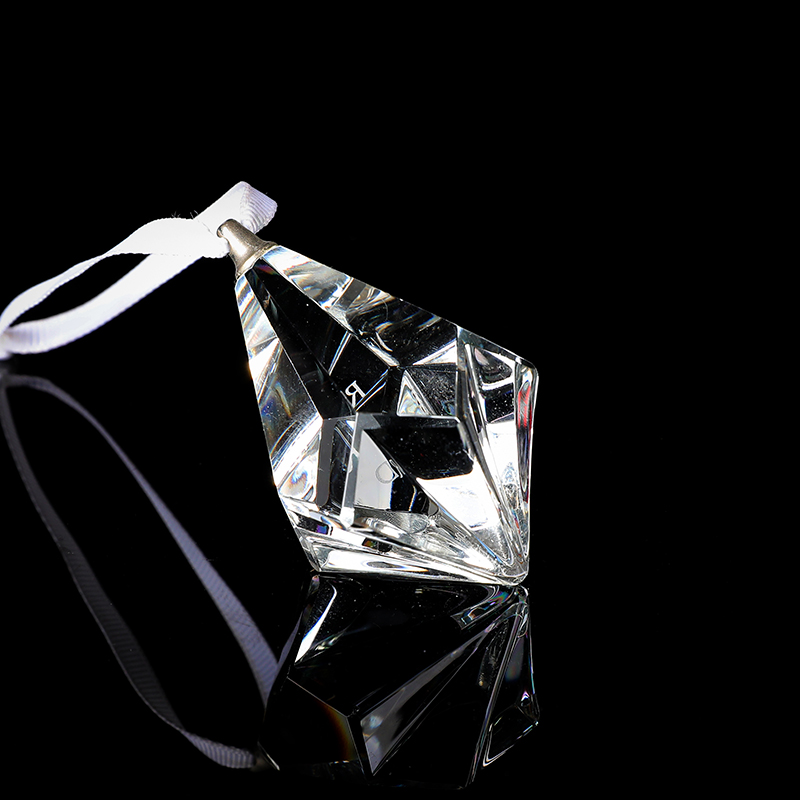
Understanding Light Interaction
Crystal Glass Pendants work by refracting and reflecting light across their faceted surfaces. When placed near a light source, each cut and angle in the crystal creates subtle variations in brightness, producing reflections that can extend across walls, ceilings, and furniture. Crystal Laser Balls operate similarly, scattering light into multiple directions to form patterns that change depending on the angle and intensity of the source. Awareness of these interactions helps users select positions that make reflections noticeable without overwhelming the space.
Strategic Placement of Pendants
Positioning a Crystal Glass Pendant above key areas, such as dining tables, living room seating, or reception spaces, helps draw attention to focal points while creating layered lighting. The height of installation affects both the spread and clarity of reflections. For larger rooms, pendants can be arranged in clusters or staggered heights to distribute light more evenly. Aligning the pendant with nearby reflective surfaces, such as mirrors, glass tables, or metallic decor, increases the reach of the reflected light and adds depth to the room.
Using Laser Balls for Dynamic Effects
Crystal Laser Balls can enhance the visual environment by projecting moving reflections that respond to surrounding light. Placement near windows, lamps, or other direct light sources amplifies the patterns produced, creating subtle motion on walls and ceilings. Adjusting the distance between the laser ball and the light source allows control over the size and density of the reflected patterns, making it possible to tailor the effect for casual or more focused settings. Laser balls are particularly useful in corners or on tabletops where their reflections can interact with surfaces without obstructing movement.
Coordinating With Room Design
The effectiveness of crystal reflections is influenced by room layout, furniture, and materials. Smooth or reflective surfaces enhance the dispersal of light, while textured walls can soften and scatter the patterns. When planning placement, it helps to consider color palettes and existing lighting, as warmer tones can produce gentle highlights while cooler tones can enhance clarity and contrast. Crystal elements can be used to highlight specific design features, such as artwork or decorative installations, adding a subtle layer of visual interest.
Layered Lighting for Adaptability
Combining Crystal Glass Pendants with other light sources allows the creation of layered illumination. Pendants provide steady, direct lighting, while laser balls introduce dynamic reflections that contribute depth and variation. Supplemental lighting, such as wall-mounted fixtures or floor lamps, can complement crystal effects, enabling different lighting arrangements for work, leisure, or entertaining guests. This layering approach allows spaces to feel adaptable without changing the overall design or installing additional fixtures.
Maintenance and Practical Considerations
Maintaining the clarity of crystal surfaces ensures that reflections remain consistent and noticeable. Regular cleaning prevents dust or smudges from diminishing light interaction. Pendants should be securely mounted and laser balls placed where patterns can reach visible surfaces without interfering with daily activities. For rooms with high traffic or children, careful placement and stable installation prevent accidental contact while preserving the visual effects.
Crystal Glass Pendants and Crystal Laser Balls provide practical ways to influence the distribution of light and create visually engaging spaces. Considering placement, interaction with reflective surfaces, coordination with existing décor, and simple maintenance helps users achieve effects that enhance the ambiance of any room. By experimenting with angles, distances, and combinations, homeowners can create environments that are both visually interesting and functional for everyday use or special occasions.