 English
 中文简体
中文简体 عربى
عربى
Lighting can significantly influence how everyday spaces are perceived, and crystal elements such as Crystal Glass Pendant and Crystal Laser Ball offer opportunities to introduce subtle visual interest. These items not only provide illumination but also interact with surfaces to create reflections and patterns that engage occupants. Understanding the placement and interaction of these crystal features allows homeowners to enhance the atmosphere of living areas, workspaces, or communal zones in ways that feel fresh and dynamic.
Enhancing Living Areas
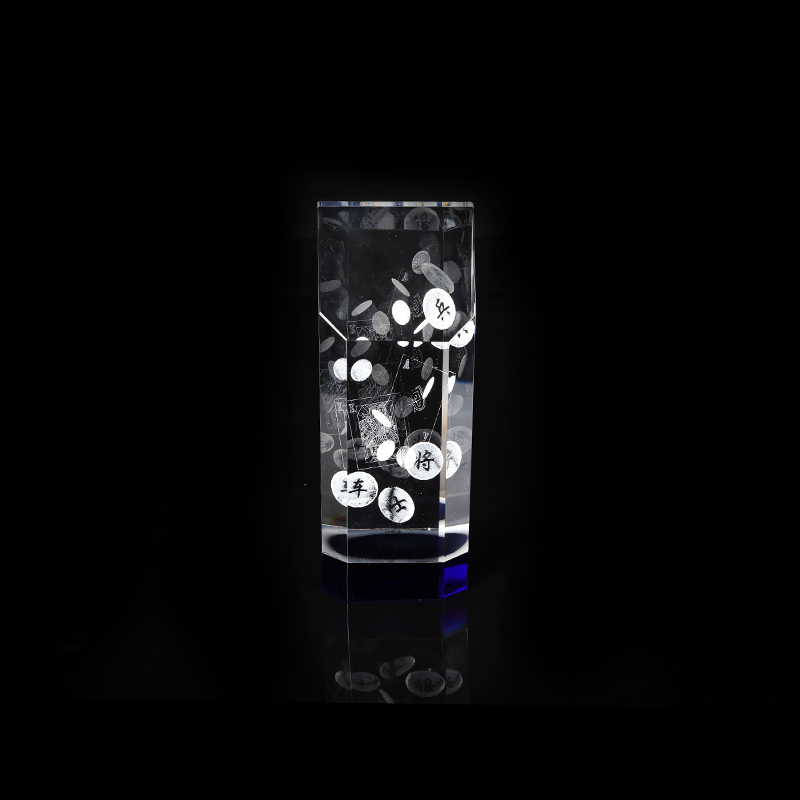
A Crystal Glass Pendant positioned above central areas, such as coffee tables or seating arrangements, can serve as a visual anchor while distributing light evenly. Its faceted design scatters light across surrounding surfaces, producing soft reflections that enhance the sense of depth and texture in the room. Placing a Crystal Laser Ball on a shelf or side table introduces moving light patterns that interact with walls, ceilings, or decorative surfaces, giving the space a more lively appearance. Adjusting the laser ball's distance from light sources or reflective surfaces allows customization of the effect according to room size and layout.
Transforming Work and Study Zones
Crystal elements are not limited to decorative use; they can also enhance areas used for focus and productivity. Hanging a pendant above a desk provides localized illumination for tasks, while reflections from both the pendant and a nearby laser ball can add visual interest that reduces monotony. In shared workspaces, laser balls placed in corners or on window sills can create subtle reflections that break up uniform lighting, contributing to a more engaging and comfortable environment without distraction.
Coordinating With Interior Features
The effectiveness of crystal lighting depends on its interaction with existing surfaces and finishes. Mirrors, glass tables, polished wood, and metallic accents enhance the reflections and movement of light produced by pendants and laser balls. Thoughtful placement ensures that reflections reach visible surfaces and interact harmoniously with other elements, such as artwork or furniture. Adjusting angles and distances helps achieve balanced lighting that highlights specific areas while maintaining an overall sense of cohesion.
Layering for Flexible Ambiance
Combining Crystal Glass Pendants with other light sources, such as floor lamps or ceiling fixtures, provides multiple layers of illumination. Pendants offer consistent light over key areas, while Crystal Laser Balls introduce dynamic reflections that change with movement and angle. This layered approach allows spaces to feel adaptable for different activities, whether relaxing, entertaining, or completing focused tasks. Minor adjustments to placement can shift the visual impact, offering flexibility without major changes to the interior layout.
Seasonal and Event Adaptation
Crystal lighting can be rearranged or combined with other decorative elements to suit seasonal changes or special occasions. For example, laser balls can be positioned near decorative vases, plants, or art pieces to create subtle reflections that complement the existing décor. Pendants can be paired with lighter fabrics or neutral-toned accents to highlight reflections during daytime, while evening arrangements can emphasize patterns produced by laser balls under artificial lighting. These adjustments allow homeowners to refresh spaces with minimal effort.
Practical Considerations
Maintaining crystal elements ensures that reflections remain clear and visually engaging. Regular cleaning of pendants and laser balls prevents dimming caused by dust or smudges. Secure mounting and stable placement prevent accidental movement, particularly in high-traffic areas. Considering room dimensions, ceiling height, and furniture layout helps ensure that the light patterns reach intended surfaces while maintaining comfortable illumination for daily activities.
Crystal Glass Pendants and Crystal Laser Balls provide flexible ways to introduce creative light effects into everyday spaces. By considering placement, interaction with reflective surfaces, layered lighting, and simple maintenance, users can create environments that feel visually interesting, adaptable, and comfortable. Thoughtful use of these elements allows rooms to transform subtly, offering variety and engagement without significant changes to interior design.