 English
 中文简体
中文简体 عربى
عربى
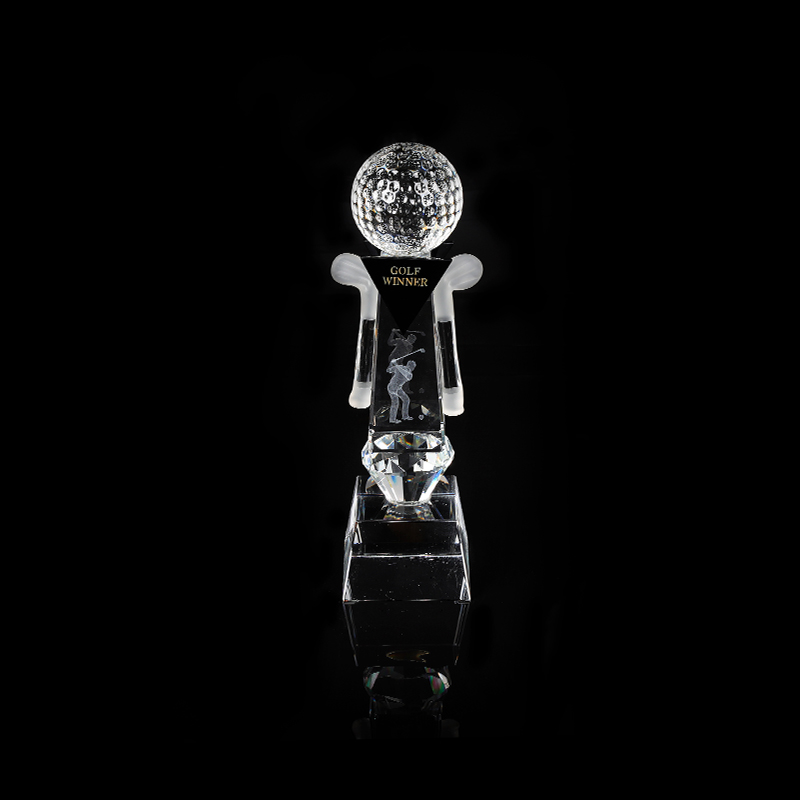
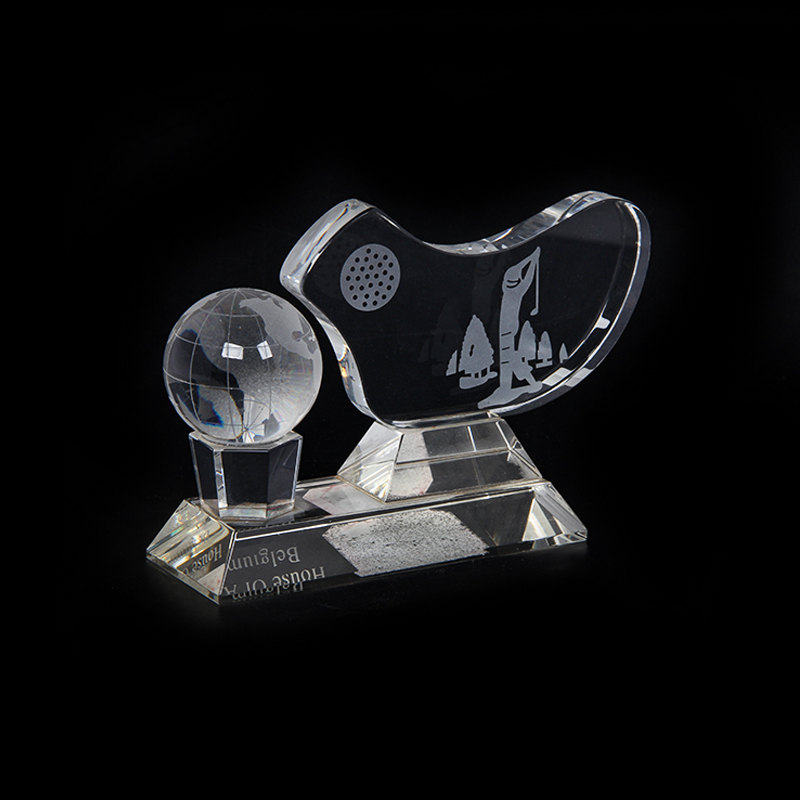
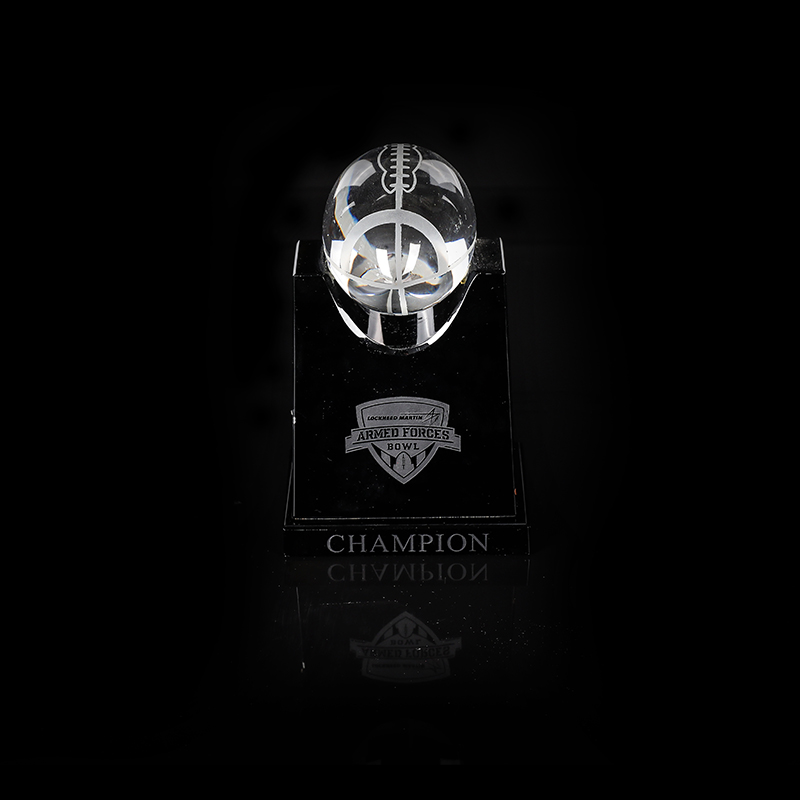
Quality expectations for a Crystal Glass Trophy are closely tied to visual precision and structural stability. Even small imperfections can become noticeable under lighting or during close inspection at award ceremonies. For buyers cooperating with a Crystal Pyramid Factory, defect inspection is therefore not a single step but a structured process that runs throughout production. Understanding how inspection is managed helps purchasers evaluate consistency, reduce post-delivery concerns, and align product standards with real usage scenarios.
Inspection Begins at the Raw Material Stage
Defect control starts before any crystal glass is melted. Raw materials such as silica sand and stabilizing oxides are inspected for purity, moisture content, and particle consistency. Variations at this stage may introduce inclusions, bubbles, or discoloration later in the process.
Factories typically perform visual checks and basic material testing to confirm that incoming batches meet internal specifications. This early screening reduces the likelihood of internal defects appearing in finished Crystal Glass Trophy products and supports more predictable outcomes during melting.
Monitoring During Melting and Refining
Once materials enter the furnace, inspection shifts toward process monitoring rather than finished appearance. Temperature stability, melting duration, and refining agent performance are closely observed. If gases are not released evenly during refining, small bubbles may remain trapped inside the crystal.
Operators monitor molten glass clarity and flow behavior through viewing ports or sampling tools. Adjustments at this stage help prevent defects that cannot be corrected after solidification, especially in thick crystal pyramid forms where internal issues are harder to remove later.
Visual Checks After Molding or Cutting
After shaping through molding or cutting, semi-finished crystal pieces undergo initial visual inspection. At this stage, inspectors look for surface lines, uneven edges, visible inclusions, or asymmetry in geometry.
For pyramid-shaped trophies, symmetry is particularly important. Minor deviations in angle alignment may affect how the trophy reflects light or stands on a flat surface. Early identification allows pieces with noticeable deviations to be corrected or removed before further processing.
Stress Evaluation During Cooling and Annealing
Cooling and annealing influence internal stress levels, which are not always visible immediately. Factories manage this risk by monitoring cooling curves and inspecting samples for stress patterns.
Polarized light testing or controlled tapping methods may be used to detect internal tension. While these techniques do not eliminate defects, they help identify pieces that may develop cracks later. This step supports long-term stability for Crystal Glass Trophy items intended for extended display.
Surface Defect Detection During Polishing
Polishing reveals surface-related defects that may not be visible earlier. Scratches, fine pits, or uneven surfaces often become apparent once the crystal reaches a smooth finish.
Inspectors examine polished surfaces under consistent lighting from multiple angles. This approach helps identify subtle distortions or remaining tool marks. For trophies with flat faces intended for engraving, surface inspection is particularly detailed to ensure text and logos remain clear.
Inspection Before and After Engraving
Engraving introduces another inspection phase. Before engraving, surfaces are checked for uniformity to ensure consistent engraving depth and contrast. After engraving, inspectors review alignment, legibility, and visual balance.
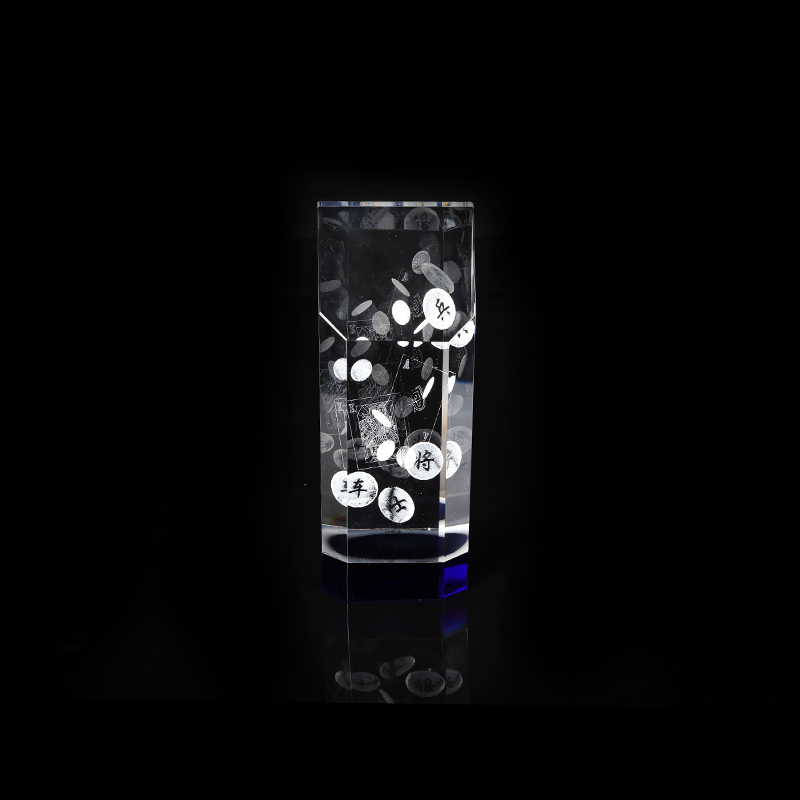
For internal laser engraving, clarity inside the crystal block is assessed under different lighting angles. This ensures that engraved elements remain visible without interference from internal haze or residual bubbles.
Dimensional and Stability Verification
Beyond visual appearance, functional checks are part of defect inspection. Dimensions are measured to confirm size tolerances, particularly for pyramid bases that must sit flat without wobbling.
Stability testing may involve placing the trophy on level surfaces and applying gentle pressure to verify balance. This step is practical for award ceremonies where trophies are handled frequently and displayed openly.
Final Inspection Prior to Packaging
The final inspection combines visual, dimensional, and handling checks. Inspectors confirm that edges are smooth, surfaces are clean, and protective treatments—if applied—are intact.
Packaging-related inspection is also relevant. Protective wrapping and cushioning are evaluated to reduce the risk of damage during transport. For bulk orders from a Crystal Pyramid Factory, random sampling ensures that inspection standards are applied consistently across the shipment.
How Buyers Can Engage With Inspection Processes
Buyers benefit from understanding inspection practices when discussing project requirements. Requesting inspection criteria, sample approval processes, or defect tolerance guidelines helps align expectations before production begins.
A Crystal Glass Trophy achieves its presentation value through careful inspection rather than visual embellishment. When defect inspection is integrated across production stages, the final product maintains consistent appearance and usability. This structured approach supports confidence for both manufacturers and buyers, ensuring that trophies meet practical display needs while reflecting the care invested in their creation.