 English
 中文简体
中文简体 عربى
عربى
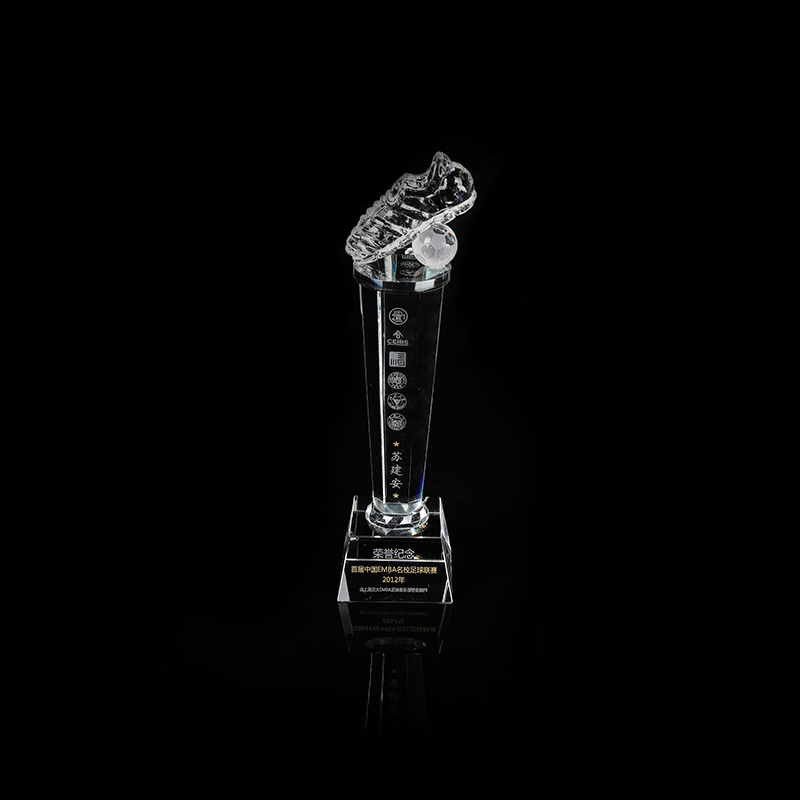
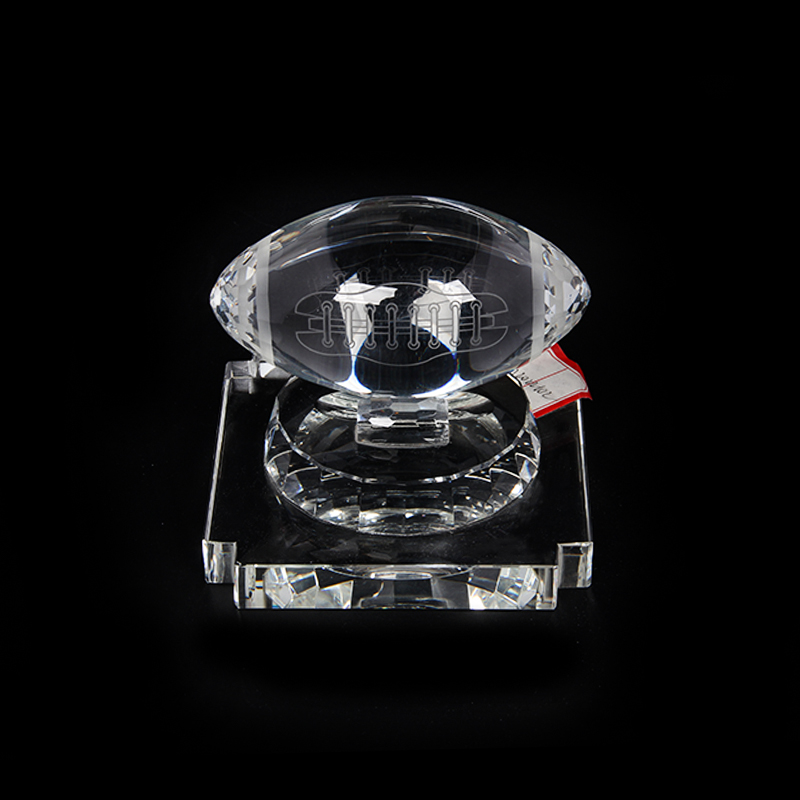
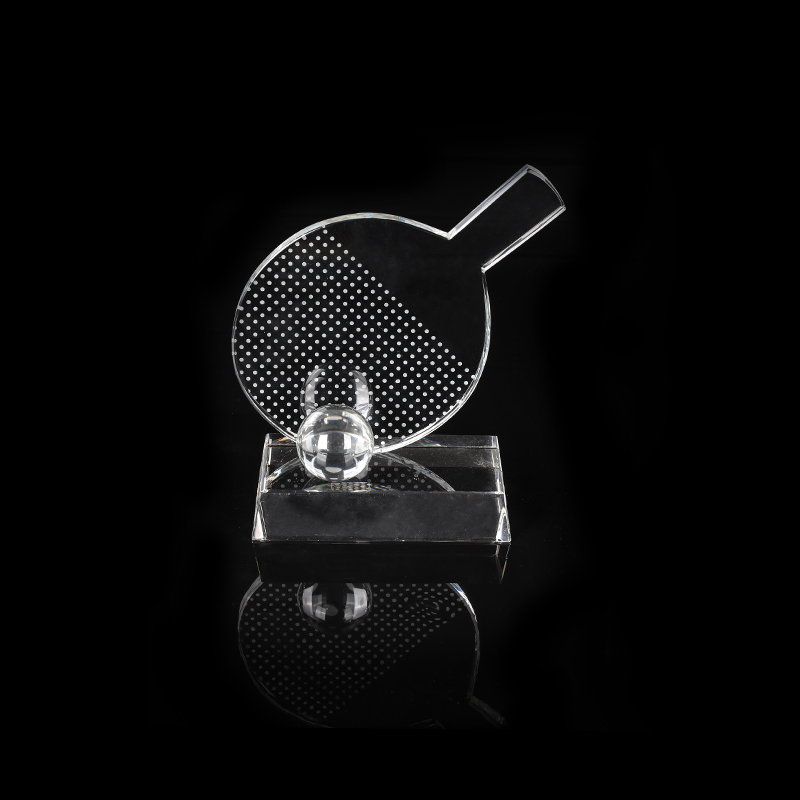
Visual clarity is often the feature people notice when a Crystal Glass Trophy is placed under lighting at an award ceremony. That clarity, however, is not accidental. It is the result of deliberate material choices made long before shaping or engraving begins. For buyers working with a Crystal Pyramid Factory or sourcing trophies for corporate, academic, or cultural recognition, understanding how different materials influence transparency can help clarify why certain trophies appear brighter, cleaner, and more refined than others.

The Role of Silica in Visual Transparency
Silica sand forms the structural foundation of crystal glass. Its purity level has a direct impact on clarity. High-grade silica contains fewer metallic oxides and natural contaminants, which helps reduce unwanted color tints or cloudiness in the finished trophy.
When silica quality varies, the difference becomes noticeable after polishing. Impurities may scatter light unevenly, causing a slightly hazy appearance rather than a clean, sharp look. For pyramid-shaped trophies with multiple flat faces, even minor inconsistencies in silica quality can become more visible due to light refraction along the edges.
Metal Oxides and Their Optical Influence
Metal oxides are added to crystal glass formulations to stabilize structure and adjust refractive properties. Common oxides include potassium oxide and sodium oxide, which help lower melting temperatures and improve workability.
The proportion and purity of these oxides influence how light passes through the crystal. Excessive or uneven oxide content may introduce subtle discoloration or internal distortion. Factories experienced in producing Crystal Glass Trophy designs carefully balance oxide ratios to maintain clarity while supporting consistent shaping and cooling.
Modern Crystal Formulations Versus Traditional Compositions
In earlier crystal glass production, certain heavy metal components were used to enhance density and light refraction. Today, manufacturing practices increasingly favor alternative formulations due to regulatory guidelines and material safety considerations. These modern compositions often rely on barium oxide, zinc oxide, or similar materials to achieve stable optical performance.
While contemporary crystal glass can maintain high transparency, the material requires tighter control during melting and cooling. Slight variations in composition may affect how evenly light travels through the trophy. For buyers comparing options from a Crystal Pyramid Factory, understanding material composition helps clarify how visual clarity is achieved using current production standards.
The Impact of Refining Agents on Internal Cleanliness
Refining agents are added during melting to reduce bubbles and internal streaks. These agents help gases escape from the molten glass before it solidifies. If this step is not carefully managed, microscopic bubbles may remain suspended inside the trophy.
Although small, these bubbles can disrupt clarity, especially in thicker crystal blocks or pyramid forms. Under strong lighting, internal imperfections may become noticeable, which is why refining materials play a practical role beyond surface appearance.
Raw Material Consistency and Batch Control
Even when high-quality materials are used, consistency across batches matters. Variations in raw material sources or storage conditions can influence final transparency. Moisture content, particle size, and mineral balance all affect melting behavior.
Factories producing Crystal Glass Trophy collections for large events often focus on batch uniformity to ensure visual consistency across multiple awards. This attention to material control helps prevent noticeable differences when trophies are displayed together on stage or in showcases.
Interaction Between Materials and Cooling Processes
Material composition also determines how crystal glass responds to cooling. Certain formulations are more sensitive to temperature changes, increasing the risk of internal stress or fine cracks that may not be immediately visible.
Controlled cooling allows materials to stabilize internally, supporting long-term clarity. If internal stress remains, it can subtly alter light refraction, giving the trophy a less uniform appearance over time. Buyers evaluating long-term display value may consider how material selection supports stable cooling outcomes.
Surface Finish as a Material-Dependent Result
Polishing quality depends not only on technique but also on material hardness and structure. Some crystal formulations respond better to mechanical polishing, achieving smoother surfaces with fewer passes.
When materials polish evenly, the trophy surface reflects light cleanly without distortion. In contrast, inconsistent material density may cause uneven polish, causing slight visual ripples. This is particularly relevant for flat surfaces intended for engraving, where clarity supports legibility.
How Material Choices Affect Engraving Visibility
Engraving clarity is closely tied to material transparency. Laser-engraved text and logos rely on light contrast within the crystal. If the base material contains impurities or internal haze, engraved details may appear less distinct.
Crystal Pyramid Factory suppliers often test engraving samples on different material formulations to confirm that internal markings remain visible from multiple angles. This practical step ensures that awards remain readable under varied lighting conditions.
Evaluating Material Quality as a Buyer
For purchasers, understanding material influence allows more effective communication with suppliers. Asking about silica purity, oxide composition, and refining processes provides insight into how clarity is achieved. Rather than focusing only on shape or size, material transparency should be viewed as a core performance attribute.
A Crystal Glass Trophy gains its visual presence from balanced material choices rather than decorative additions. When clarity is supported by thoughtful material selection and controlled processing, the trophy remains visually consistent throughout its lifespan, reinforcing its role as a lasting symbol of recognition without relying on exaggerated design elements.